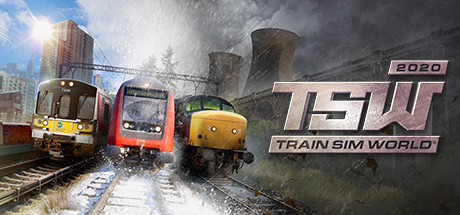
Train Simulator Classic Steam key art
Train Simulator Classic cover art

Steam revenue analysis

Train Simulator Classic Steam Revenue & Sales Estimates

Dovetail Games · Dovetail Games - Trains

$16.4MEst. Gross Revenue

1,071,106 estimated sales, 71% positive reviews, and $11,782,908.06 potentially retained by the developer after Steam's platform fees.

Simulation71% Positive$29.99

Revenue Overview

$16.4M

Gross Revenue

$11.8M

Developer Revenue

1,071,106

Est. Copies Sold

$1.5M

Revenue / Year (avg. 11 yr)

$8.6MLow estimate
$16.4MBest estimate
$25.9MHigh estimate

How the revenue splits

Gross Revenue
$16,377,211
Steam Platform Fee(28.1%)
−$4,594,303
Developer Revenue
$11,782,908

Developer vs. Steam

Developer: 72.0%($11,782,908)Steam: 28.1%($4,594,303)

Tiered Fee Structure

Tier 1 ($0–$10M) (30%)$3,000,000
Tier 2 ($10M–$50M) (25%)$1,594,303
Tier 3 ($50M+) (20%)

More context in the Steam game revenue hub or in the Steam revenue calculator.

How we estimate this

71%positive
28,187Total Reviews
20,013positive (71%)
8,174negative (29%)

Step by step

  1. 1

    Capture Steam review volume as the primary demand signal

    28,187 reviews and a 71% positive rating are used as the starting point because Steam review counts correlate strongly with paid ownership.

  2. 2

    Apply a calibrated Boxleiter multiplier

    For Train Simulator Classic, we use a midpoint multiplier of ×38 and show a wider range from ×20 to ×60 to reflect uncertainty.

  3. 3

    Use a realistic realized sale price instead of only list price

    Rather than relying only on the current price of $30, we estimate a realized average sale price of $15 to account for discounting over time.

  4. 4

    Translate gross revenue into developer revenue

    We then apply Steam's effective fee rate of 28.1%. That turns an estimated $16,377,211 in gross revenue into roughly $11,782,908 retained by the developer.

Calibrated inputs for this game

Avg. sale price

$15.29

List price $29.99

Boxleiter multiplier

×38

Range ×20–×60

Effective Steam fee

28.1%

Tiered 30 / 25 / 20%

Revenue estimates for Train Simulator Classic use the Boxleiter method with a broad range from x20 to x60. For the best estimate we use a calibrated midpoint of x38 and a calibrated average sale price of $15 instead of a flat 30x/0.75 model. Factors like age, price tier, discount history, genre, and review profile all affect the true reviews-to-sales ratio.

Platform Comparison

Hypothetical: What would the developer earn at the same gross revenue?

Steam

Gross revenue baseline: $16,377,211

To developer

$11,782,908

To developer: 71.9%

$11,782,908

Platform fee: 28.1%

$4,594,303

Epic Games Store

Gross revenue baseline: $16,377,211

To developer

$14,531,945

To developer: 88.7%

$14,531,945

Platform fee: 11.3%

$1,845,265

Epic: 0% on the first $1M in annual per-app revenue, then 12%. Effective here: 11.3%.

GOG

Gross revenue baseline: $16,377,211

To developer

$11,464,048

To developer: 70.0%

$11,464,048

Platform fee: 30.0%

$4,913,163

* Actual sales on Epic and GOG are not estimated. Steam's larger user base typically drives substantially higher sales volumes.

Genre Market Position

Top 50% by revenue in Simulation
50%

Top 50% of Simulation games

by estimated revenue

0%◆ Median100%

40

Top Games Tracked

$17.6M

Median (tracked top games)

$45.4M

Mean (tracked top games)

Train Simulator Classic ranks in the top 50% of 40 tracked simulation top-sellers.

Baseline: HelpfulCalculator's curated set of top-grossing Steam games, not the entire Steam catalog. Niche genres may have small samples.

Playtime & Engagement

74.6h avg6.6h median

74.6h

Average Playtime

6.6h

Median Playtime

1.9h

Recent Activity (2 Weeks)

A median playtime of 6.6h and average of 74.6h suggest a dedicated core community playing this simulation game well beyond the typical player.

Current Activity3% still active

Game Details

Dataset updated: April 18, 2026

DeveloperDovetail Games
PublisherDovetail Games - Trains
Release DateSeptember 16, 2015
Years on Market11 years
Current Price$29.99
Calibrated Avg. Selling Price$15.29
GenreSimulation
Peak Players503
SteamSpy Owners1,000,000 .. 2,000,000

Features

Single-playerSteam AchievementsFull controller supportSteam Trading CardsSteam WorkshopIn-App PurchasesSteam CloudSteam LeaderboardsFamily Sharing

Want to estimate revenue for a different game?

Try our interactive Steam Revenue Calculator for custom scenarios.

Open Steam Revenue Calculator →

Frequently Asked Questions

How much has Train Simulator Classic earned on Steam?

Based on our analysis using the Boxleiter method, we estimate Train Simulator Classic's total gross revenue on Steam at approximately $16,377,211.

This estimate comes with a confidence range:

  • Conservative estimate (x20): $8,619,585
  • Calibrated midpoint (x38): $16,377,211
  • Optimistic estimate (x60): $25,858,754

The actual revenue may vary due to regional pricing, seasonal discounts, and refund rates.

How many copies has Train Simulator Classic sold on Steam?

With 28,187 Steam reviews and a 71% positive rating, we estimate Train Simulator Classic has sold between 563,740 and 1,691,220 copies, with a best estimate of 1,071,106.

This is based on the Boxleiter method, which uses the observation that roughly 1 in every 20 to 60 buyers leaves a Steam review. For the midpoint we do not assume a universal 30x value; we use a calibrated multiplier of x38 that adjusts for the title's age, price tier, genre, and review profile.

How much does Dovetail Games earn from Train Simulator Classic?

After Steam's tiered platform fee of effectively 28.1%, Dovetail Games keeps an estimated $11,782,908 from Train Simulator Classic's gross revenue of $16,377,211.

Here's the breakdown:

  • Gross Revenue: $16,377,211
  • Steam's Fee (28.1%): -$4,594,303
  • Developer Revenue: $11,782,908

Note: This doesn't account for publisher shares, taxes, or development costs.

What percentage does Steam take from Train Simulator Classic?

Steam uses a tiered revenue sharing model that reduces the platform's cut as a game earns more:

  • First $10 million: 30% to Steam, 70% to developer
  • $10M to $50M: 25% to Steam, 75% to developer
  • Above $50M: 20% to Steam, 80% to developer

For Train Simulator Classic, with an estimated gross revenue of $16,377,211, this results in an effective rate of 28.1%. Steam keeps approximately $4,594,303 and Dovetail Games receives $11,782,908.

How accurate are these revenue estimates for Train Simulator Classic?

These estimates use the Boxleiter method, a widely-used industry approach that estimates game sales from the number of Steam reviews.

Factors that affect accuracy:

  • Review-to-purchase ratio varies by genre
  • Discount history - games with frequent deep sales may have higher ratios
  • Regional pricing - different prices in different markets are not captured
  • Refunds - Steam's return policy means some counted sales were refunded
  • Bundled sales - keys sold through third-party bundles may not generate reviews

We provide a confidence range ($8,619,585 to $25,858,754) to reflect this uncertainty. For the best estimate we combine the Boxleiter range with a calibrated midpoint (x38) and a calibrated ASP of $15.

What would Train Simulator Classic earn on Epic Games Store instead?

If Train Simulator Classic generated the same gross revenue on the Epic Games Store, Dovetail Games would keep approximately $14,531,945 - that's $2,749,037 more than on Steam.

At this revenue level, Epic's concrete platform fee would be $1,845,265. Epic charges 0% on the first $1 million in annual per-app revenue and then 12% on the remaining amount. On GOG (30% cut), the developer would earn approximately $11,464,048.

Note: This is a hypothetical comparison. Actual sales volumes differ significantly between platforms, and Steam's larger user base typically drives substantially higher sales.

How long do players spend in Train Simulator Classic?

According to SteamSpy data, players spend an average of 74.6 hours in Train Simulator Classic, with a median playtime of 6.6 hours. The large gap between average and median suggests a dedicated core community playing well beyond the typical player.